About Us

Independent. ISO Certified. Open to All.

National Yoga Council

Har Ghar Yog. Swasth Bharat.

An independent yoga organisation committed to promoting yoga education, supporting yoga professionals, creating opportunities and building a healthier, more connected society.

Who We Are

A Platform for Yoga, Education and Professional Growth

National Yoga Council (NYC) works towards making yoga an accessible part of everyday life while supporting the people who teach, practise and promote it. We bring together yoga volunteers, members, teachers, coaches, trainers, wellness professionals, studio owners and yoga organisations.

Our approach combines yoga awareness, membership, educational opportunities, training-related services, digital access and community development. We aim to help individuals learn, professionals grow and local communities benefit from greater access to yoga.

Our Mission

Har Ghar Yog

We believe yoga should reach every home, neighbourhood, village and community. Our mission is to encourage people of all ages and backgrounds to make yoga a regular part of their lifestyle.

Through awareness initiatives, educational programmes and community participation, we aim to make yoga more accessible and encourage healthier habits, physical activity, stress management and overall well-being.

Our belief: Every household should have the opportunity to learn about yoga, practise it regularly and experience its potential benefits.

Our Vision

A Healthier India and a Stronger Yoga Community

Our vision is to contribute towards a healthier, fitter and more conscious India where yoga becomes a meaningful part of daily life.

We support the broader goals of fitness, preventive health awareness and holistic well-being, in the spirit of initiatives such as Fit India. We aim to encourage healthier lifestyles and greater awareness of ways to reduce the risk of lifestyle-related health problems.

Our long-term aspiration is to connect yoga professionals and communities across India and internationally, helping take yoga to more people through local initiatives and collaboration.

What We Do

Our Key Services and Initiatives

01

Yoga Membership

Membership opportunities for yoga volunteers, practitioners, teachers, trainers, professionals and eligible organisations to connect with the wider yoga community.

02

Yoga Training and Certification

Training-related programmes and applicable certification services designed to support learning, teaching skills and professional development, subject to programme requirements.

03

100+ Learning Opportunities

Access to a collection of more than 100 courses across our course offerings, helping learners explore yoga, wellness and related areas of education.

04

Digital Registration and Verification

Online registration and digital access for applicable services, with unique identification details and online verification facilities for relevant issued records.

05

Yoga Career Opportunities

Professional connections, development resources and opportunities to help yoga teachers explore teaching, independent work and career growth.

06

Support for Yoga Centres

Relevant guidance, educational resources and community connections for aspiring yoga entrepreneurs, studios, academies and existing yoga centre owners.

Professional Development

Creating More Opportunities for Yoga Teachers

Learning to teach yoga is an important achievement, but building a sustainable career may require additional skills, connections and practical guidance.

National Yoga Council aims to help bridge this gap by connecting yoga professionals with a wider community and encouraging opportunities for teaching, continued learning and independent professional growth.

We also aim to support aspiring yoga centre owners who want to develop their own services, reach students and contribute to yoga in their local areas.

Our Objectives

Working Towards Meaningful Change

Our Values

Learning, Integrity and Community

Integrity and Responsibility

We value honest communication, responsible practices and respect for the people who engage with our programmes.

Inclusivity and Collaboration

We encourage participation from diverse backgrounds and believe that a connected yoga community can create a wider positive impact.

Continuous Learning

We encourage the development of knowledge, teaching skills and a responsible approach to yoga education.

Community Growth

We aim to help people and organisations connect, share knowledge and contribute to the wider growth of yoga.

Be Part of the National Yoga Council Community

Whether you are a yoga volunteer, member, teacher, coach, wellness professional or yoga centre owner, explore how you can participate in our mission to promote yoga, support professional growth and contribute towards a healthier India.

Connect With Us

Frequently Asked Questions

Everything you need to know about the National Yoga Council.

1. What is the National Yoga Council?

The National Yoga Council (NYC) is an independent organisation dedicated to promoting yoga awareness, education, professional development and community engagement.

2. Who can become a member?

Yoga lovers , Sadhak ,Yoga teachers, practitioners, trainers, yoga centres and other eligible individuals or organisations can explore our membership opportunities and applicable eligibility criteria.

3. What are the benefits of membership?

Membership offers an opportunity to connect with the Council's yoga-focused initiatives and professional community. Available benefits depend on the selected membership category and its terms.

4. How can I apply for membership?Applying is simple. Visit our online registration portal, review the membership details, complete the application and follow the instructions provided.

Apply for Membership →

5. How can I verify my certificate?

Certificates featuring a QR code or unique ID can be checked through the applicable verification facility on our website, where available. Contact us if you need further assistance.

6. How can I connect with the Council?Our online platform makes it easy to explore information and available services from anywhere.

Email: nationalyogacouncil@gmail.com

WhatsApp: +91 99309 55355

Ayurveda is healing your body & mind

Ayurveda believes that the human body consists of Saptadhatus (seven tissues) Rasa (tissue fluids), Meda (fat and connective tissue), Rakta (blood), Asthi (bones), Majja (marrow), Mamsa (muscle), and Shukra (semen) and three Malas (waste products) of the body, viz. Purisha (faeces), Mutra (urine) and Sweda (sweat).28-Feb-2016

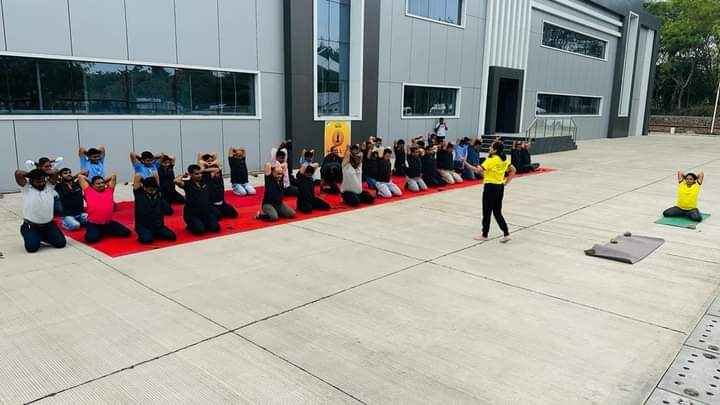
Corporate yoga program banglore

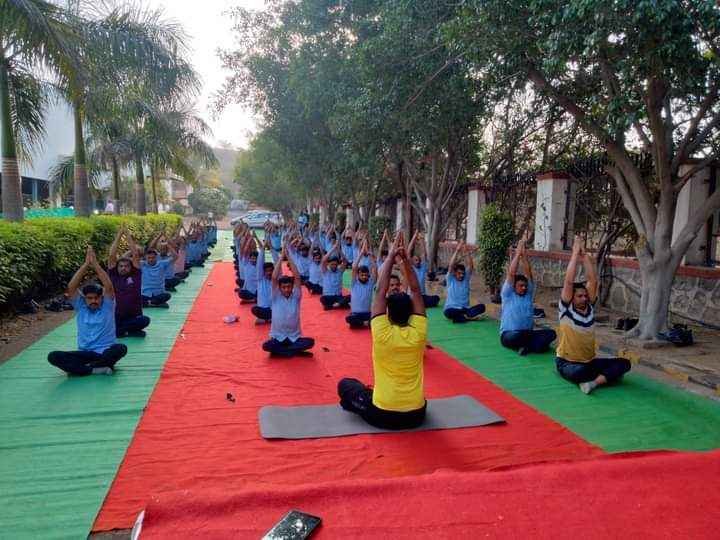
Celebrating international yoga day

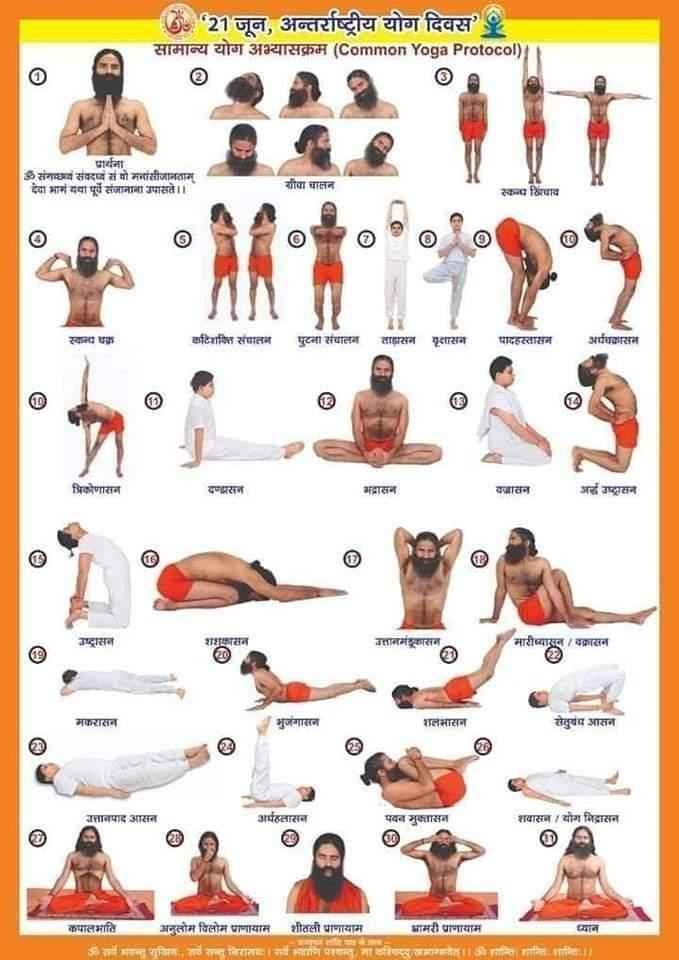
Yoga protocol 21st June international yoga day by baba Ramdev

Why is International Yoga Day Celebrated?

The idea of observing International Yoga Day was proposed by the Prime Minister of India, Narendra Modi, during his speech at the United Nations General Assembly in September 2014. Recognizing the universal appeal and holistic nature of yoga, Modi suggested that a dedicated day be established to highlight its significance and promote its practice worldwide. Subsequently, on December 11th, 2014, the United Nations General Assembly unanimously declared June 21st as International Yoga Day. The inaugural celebration took place on June 21, 2015.

International Yoga Day, celebrated on June 21st every year, is a global event that promotes the physical, mental, and spiritual benefits of practicing yoga. This day aims to raise awareness about the numerous advantages of incorporating yoga into one’s daily life and to encourage people around the world to embrace this ancient practice.

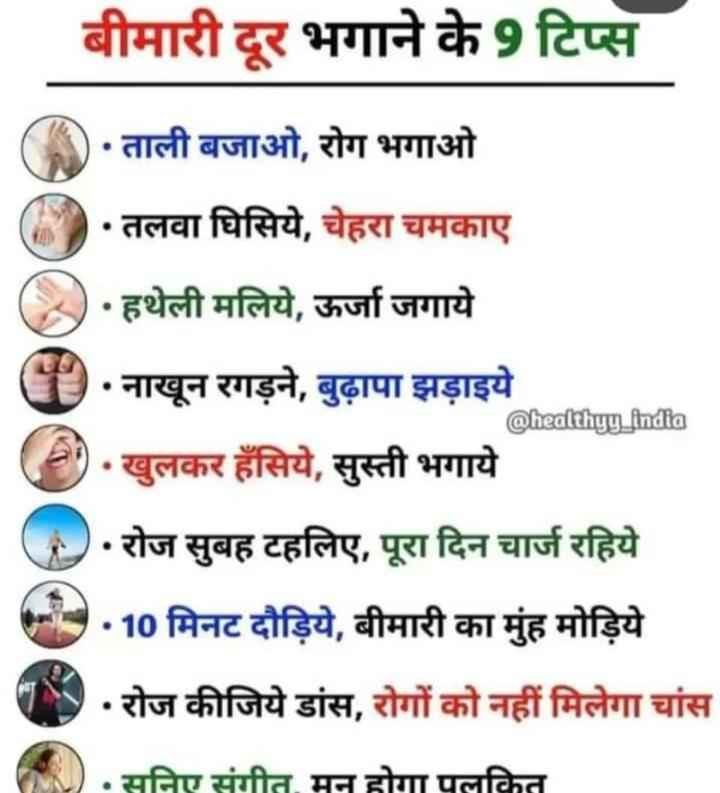
9 tips for healthy life

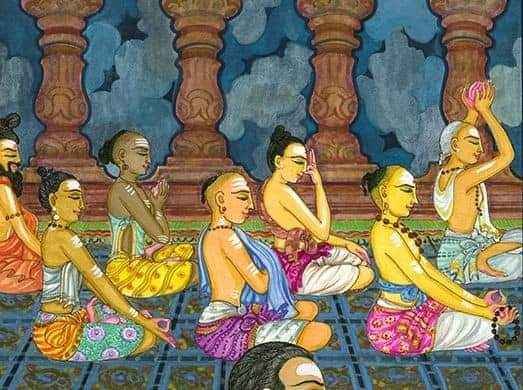
Astang yoga for mind & body purification

INTRODUCTION TO ASHTANGA YOGA 

In Sanskrit "Ashta + anga" is ashtanga. "Ashta" means Eight and "Anga" is limbs so it means Eight Limb path, Ashtanga yoga is based on Yoga Philosophy of Patanjali. The asanas, Pranayamas or the dharana which we have studied earlier or the yam and niyam are based on the Yoga Sutras of Patanjali. Hence, we will acquaint ourselves with the fundamentals as stated by Patanjali first. 


HISTORY OF ASHTANGA YOGA

Yoga has its roots about 5000 years BC as described in Vedic Philosophy and Tantras. Patanjali , great sage composed this path into a Darshan(Philosophy) in his Book Patanjal Yoga Sutra. In which he has formulated Yoga as a Eight Limbs or Eight Fold path. 


EIGHT LIMBS OF ASHTANGA YOGA

  1. Yama (Principles or moral code)
    • Ahimsa - A principle of non-violence
    • Satya - A principle of Truthfulness
    • Asteya - A principle of non stealing
    • Brahmacharya - Continence / Celibacy
    • Aparigah - A principle of non-hoarding or non possessiveness
  2. Niyama (Personal Disciplines)
    • Shoucha - Purity
    • Santosh - Contentment
    • Tapa - Endurance
    • Swadhyaya - Self study
    • Eshwar Pranidhan - Dedication
  3. Asana (Yoga Positions or Yogic Postures)

    A stable and comfortable posture which helps attain mental equilibrium.

  4. Pranayama (Yogic Breathing)

    Extension and control of breath.

  5. Pratyahara (Withdrawal of Senses)

    A mental preparation to increase the power of mind.

  6. Dharana (Concentration on Object) 

    Concentration of mind on one object and its field. 

  7. Dhyan (Meditation) 

    With drawing mind from all external objects and Focusing it on one point and meditating on it.

  8. Samadhi (Salvation)

    State of Super bliss, joy and merging individual consciousness in to universal consciousness. Union between Jivatman and Paramatman. Union of Shiva and Shakti in Sahasrar Chakra (the top of the head). Realizing the Bramhan (pure consciousness) or Realization of God is the ultimate achievement of Human Birth.

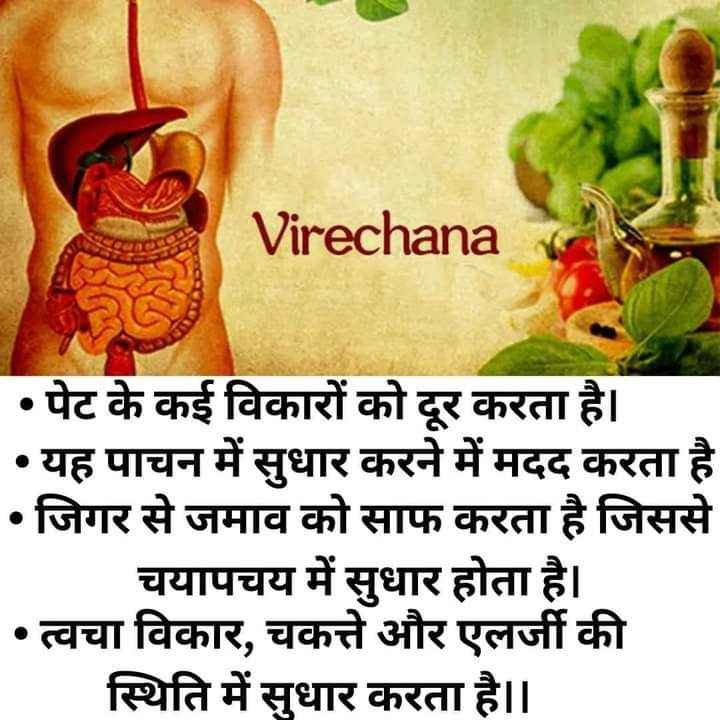
Virechana Kriya in yogic terminology

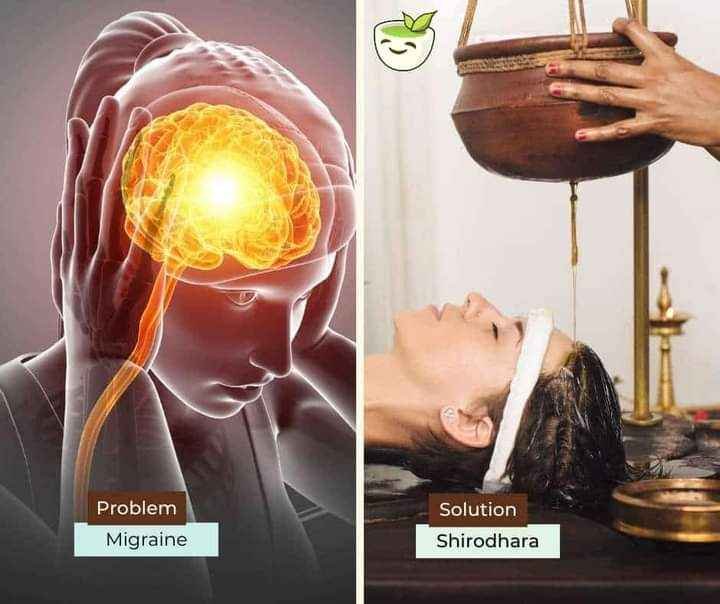
Virechana is one of these five cleansing processes of Panchakarma. Also known as the purgation process, the Virechana treatment focuses on the torso region of our body. Virechana helps our body eliminate toxic doshas with laxative oils and drugs. Virechana is used to treat diseases arising out of pitta doshas, like diabetes, chronic skin disease, migraine, and colitis.

Like any other Ayurvedic treatment, the Virechana treatment begins only after a disease is accurately determined. Read till the end to know everything about Vierchana in Panchakarma.


What Are the Types of Virechana Treatment?

Virechana treatment is broadly classified into the following two types:

1. Snigdha Virechana 

Snigdha means 'oil'. As evident from the name, castor oil is used during this treatment. The castor oil is used all by itself or with Haritaki fruit powder. Snigdha Virechana helps reduce ailments associated with both Pitta and Vatta doshas.

2. Rooksha Virechana

This treatment is of great help when Kapha dosha, along with Pitta dosha, is diagnosed. During Rooksha Virechana, practitioners use a medicine extracted from the Trivrit herb.

What Are the Purposes of Virechana Treatment? 


Growing stress and rapidly changing lifestyle bring dosha imbalances in our bodies. This imbalance leads to diseases growing in the body. One must get rid of these toxins or doshas for a healthy and fruitful life. Ayurveda practitioners recommend a Panchakarma treatment to eliminate these toxins.

Virechana karma is one of the five cleansing techniques of Panchkarma. The other four therapies are- Vamana, Vasti, Rakta Mokshana and Nasya. These treatments help balance doshas in your body. 

While detoxifying your body, Virechana helps build up immunity and improve metabolism. In addition, people with several skin problems can opt for Virechana treatment for clean blood circulation that nourishes the skin.


What Is the Importance of Virechana Treatment?


Virechana Panchakarma treatment focuses on cleansing the intestines, liver and gall bladder. These are prime Pitta-dominated organs of the body. Virechana karma eliminates harmful metabolic wastes like toxic bile residues, helping to cure various conditions in the gastrointestinal tract. 

Virechana is an important Ayurvedic treatment for people suffering from the following:

  • Skin problems like seborrheic dermatitis, blisters, freckles, discoloured patches on the face
  • Ulcers
  • Gastritis
  • Frequent disgestive problems
  • Jaundice
  • Enlargement of  Spleen
  • Abdominal tumours
  • Piles
  • Swelling or joint tenderness
  • Anaemia
  • Infertility related issues
  • Eliminate the complications in the spleen, kidneys, liver and gall bladder
  • Effective for piles and jaundice treatment
  • Aids with treating gynaecological disorders
  • Eliminates accumulated toxins from GI tracts
  • Helps with weight loss
  • Clears impure blood, thus improving skin conditions
  • Flushes out excess mucus and toxins from intestines
  • Improves bowel movements
  • Improves sexual health
  • Has no side effects


What Is the Procedure for Virechana Treatment? 

virechana treatment

(source: shreevishwadnya)

In this Panchakarma cleansing process, excess toxins are eliminated through the rectum. Before practitioners start with any Panchakarma treatments, a Purvakarma treatment (initial treatment) is done. This initial process helps your body buck up for 'Pradhankarma' or main treatment. The procedure of Virechana Panchakarma follows a similar ritual as well.

Step 1: Purvakarma (Initial Stage)


The Virechana procedure begins with a week-long Purvakarma therapy. In this initial stage, patients need to undergo Vamana or vomiting process. They have to follow a specific diet regime or Samsarjana. Practitioners use medicated ghee or oil on patients to induce vomit and sweat. Purvakarma helps to analyse the digestive capacity of a patient.

It is beneficial for patients to sleep well the night before the Pradhankarma.


Step 2: Pradhankarma (Virechana)


As Purvakarma ends, your body will be prepared for the main therapy. Before the therapy begins, patients undergo a check-up to confirm their readiness. If these results say that the previous night's food is still undigested, he/she has to fast before Virechana begins. Usually, Virechana therapy begins early in the morning.

Ayurvedic practitioners induce Virechana by administration of drugs based on the disease. A Triphala prepared from Haritaki, Amlaki and Vibhitaki is fed to patients during Virechana therapy. Herbs like Trivrit, Jayapala, Avipathi Churna, and Aragwadha are also used during the Virechana procedure. After almost two hours of consumption of these drugs, the effect sets in.

Herbs like Trivrit are given to patients suffering from hard bowel movements. However, patients with soft intestines are given milk to induce purgation. Conditions like jaundice, anaemia, skin disease and trauma receive mild treatment of oleation and Snehana.

Before the purgation process begins, patients must drink lukewarm water to let the process go smoothly.


Step 3: Pashchatakarma (Final Treatment)

This process is also called samasarjanakarma. In this last step of Virechena Panchakarma, patients follow a strict diet plan for 3-7days. Practitioners monitor patients' bowel movements throughout the therapy.

What Happens After Virechana Treatment?


As Virechana therapy ends, the patient has to lie in a room inaccessible to the wind. After that, the Ayurveda practitioner will ask them to avoid the following things for a day after the Virechana treatment ends.

  • Food that leads to indigestion
  • Emotional stress like anger and grief
  • Exposure to a sunny or windy day
  • Lack of sleep at night or sleeping during the day
  • Staying awake till late hours of night
  • Long walks or travelling
  • Overeating
  • Suppressing natural urges

If performed correctly, Virechana will not induce signs of diarrhoea in the patient. Instead of feeling weak and dehydrated, patients will feel lighter and energetic.


What Are Some Side Effects of the Virechana Treatment?


Individuals who have undergone the Virechana treatment can face the following side effects if the treatment is not done properly:

  • Patient will start spitting frequently.
  • Increase in Kapha and Pitta levels.
  • Constant feeling of nausea.
  • Discomfort in chest and lack of vision clarity.
  • Individuals will find themselves bloating.
  • They might feel stiffness and itching in hip and thigh region.

Virechana Panchakarma is a gift of Ayurveda to humanity. It helps in improving your metabolism without the use of any harmful chemicals or pills. Eliminating all forms of toxic doshas, Virechana treatment clears your blood and uproots the disease. You must maintain a healthy lifestyle and follow the prescribed diet plan for its effects to last. 


What Are Some Conditions During Which One Should Avoid Virechana Treatment?


Anyone from 18 to 88 years of age can opt for Virechana therapy. However, a person should avoid a Panchakarma treatment if these conditions exist:

  • Menstruation
  • HIV AIDS
  • Extreme obesity
  • Lymphosarcoma
  • Pregnancy

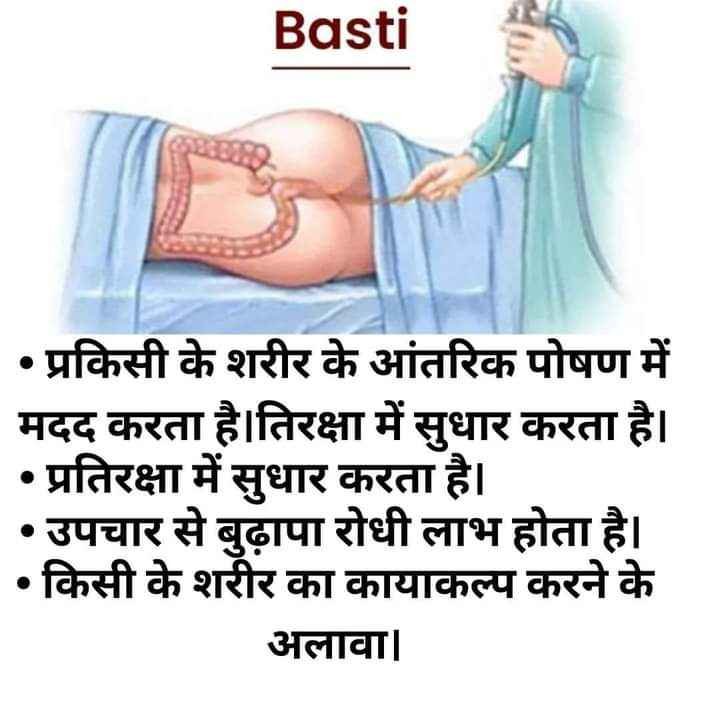
Basti kriya in yoga

Definition - What does Basti mean? Basti is a Hatha yoga cleansing technique that targets the lower abdomen, especially the colon and lower intestines. It is one of the six techniques that comprise shatkarma (also called shatkriya), the yogic body cleansing system.27-Jul-2017

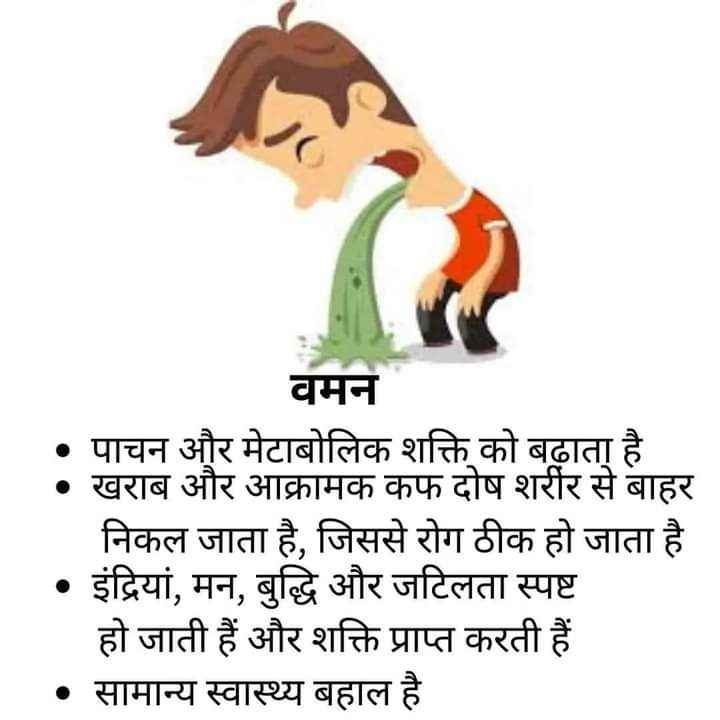
Vaman kriya in yoga

Vaman dhauti helps to increase the efficiency of the abdominal muscle. As we consume large amount of water it stretches the stomach muscles and the gastric folds (mucous membrane folds in stomach) become straight and stretched. It helps to remove excess mucus and acid secretion

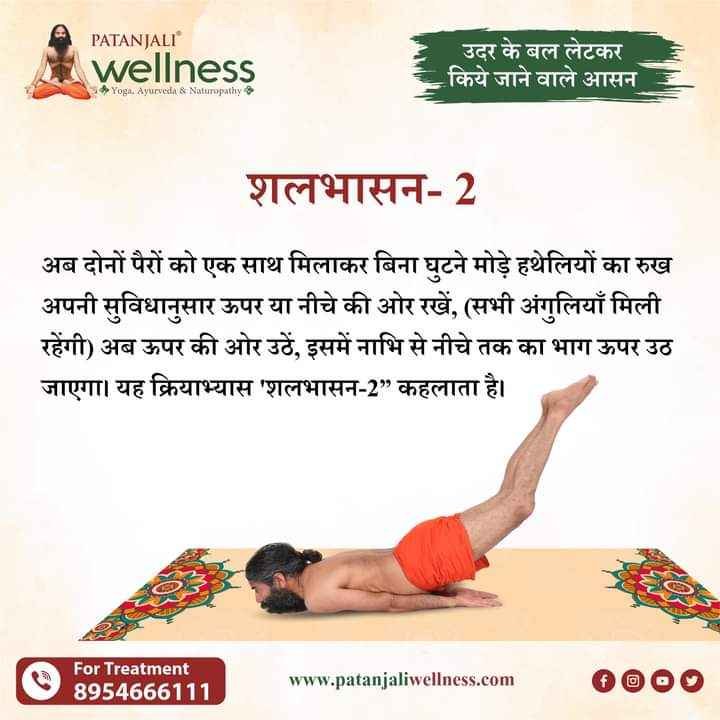
Shalabhasana with baba Ramdev

A study reported that shalabhasana provides stability to the spine and lengthens the upper back and arm. This asana targets the spine more intensely than forward-bends. Therefore, practising shalabhasana may correct back pain and strengthen the lower back, pelvic organs, hip joints, legs, and arms.08-Jun-2023

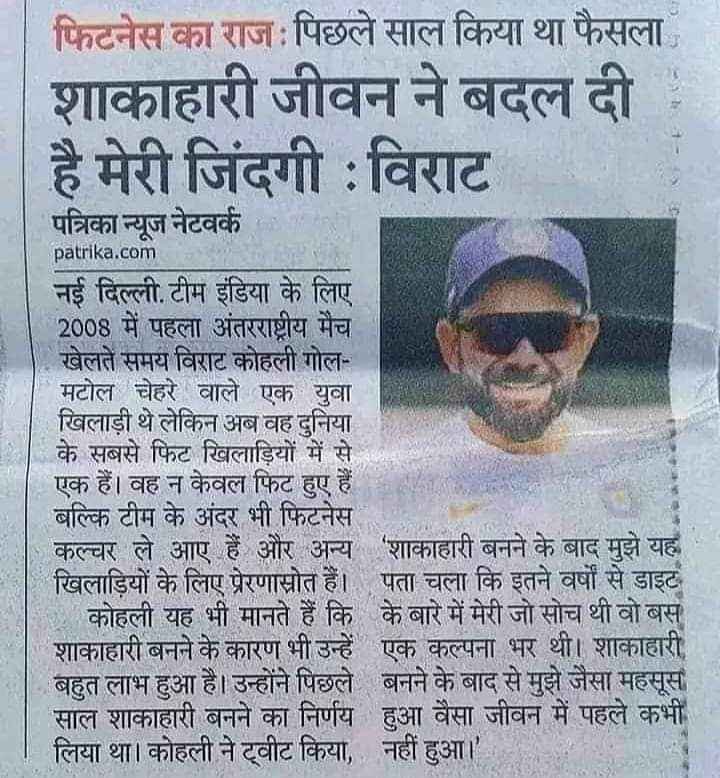
Be Vegan is key of long life

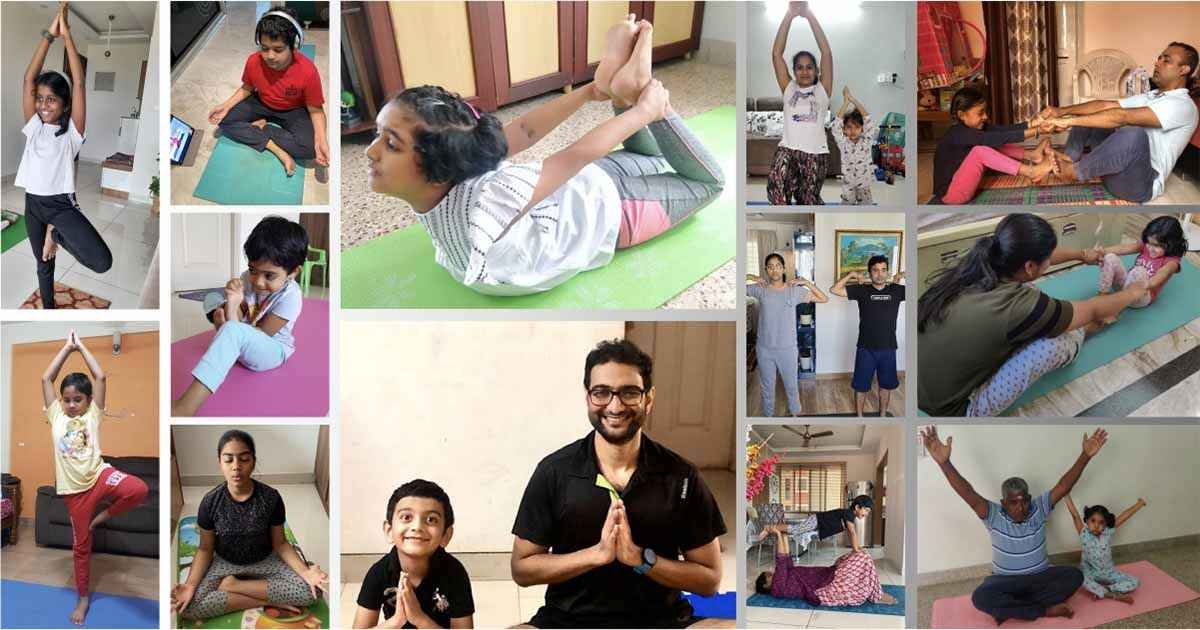
Yoga for Child growth